


From Russia and Georgia to a new beginning
The Roots of Artur Kalinowski and Nikos Mavromatis
Two men, two stories, one common thread: the desire for a better life brought them to the Netherlands. Artur Kalinowski and Nikos Mavromatis grew up in completely different countries, but both found their way to ZON. In this conversation, they share their journeys, the challenges they faced, and what “home” means to them.
From Russia to Poland to the Netherlands
Artur (34) was born in Russia but grew up in Poland. “My father is Polish, my mother is Russian. When I was five, we moved to Poland. I went to school there and later studied economics. But after graduating, I moved to the Netherlands—quite spontaneously, actually. My friends were already working here at ZON and said, ‘Just come work here for half a year.’ That half-year eventually turned into ten years.” So the move wasn’t planned, but it turned out to be a good choice. “In 2013, the salary in the Netherlands was much better than in Poland. I thought: I’ll work here temporarily, save some money, and then go back. For the first few years, I went back to Poland in the winter, but when I got a permanent contract in 2018, I stayed.” Now Artur lives with his wife and two young children in Germany, just across the border. “Living in Germany is cheaper, and childcare and parental leave are better organized there. But when it comes to where I feel at home? I’d say the Netherlands. Dutch people are open and friendly. Here, you say ‘hello’ to a stranger on the street; in Germany, that happens much less often.”


Living in Germany is cheaper, but if you ask me where I feel at home? Then I’d say the Netherlands.
From Georgia to Greece to Blerick
Nikos (39) was born in Georgia, but his childhood was marked by war. “In 1994, when I was eight, we fled to Greece. My parents took me and my six-year-old brother with them, in search of safety and a better future. The first year in Greece was tough. A new country, an unfamiliar language. But as a child, you learn quickly, and after a while I felt at home there. Years later, in 2015, a staffing agency brought him to the Netherlands. “My uncle was already working here and had good connections in the Netherlands. At first, I came alone, but six months later my wife and son—who was only two years old at the time—joined me. We traveled 2,400 kilometers—by boat from Greece to Italy, and then by car to the Netherlands. It was a long journey, but we knew it would bring us stability.”


Adjusting
The transition to the Netherlands wasn’t always easy. Artur had to get used to the country’s diversity. “In Poland, I only knew Polish people. Here, you meet people from all kinds of cultures. At first, that really took some getting used to, but now I actually appreciate it.” The language was a major challenge. “When I first arrived here, I only spoke Polish and a little English,” Artur explains. “Most people here did speak English, so that helped. But learning Dutch was difficult. I took classes and am still trying to improve.”
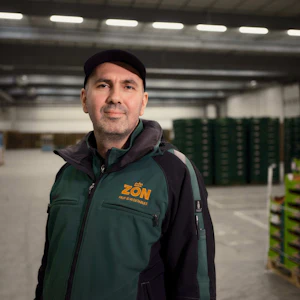
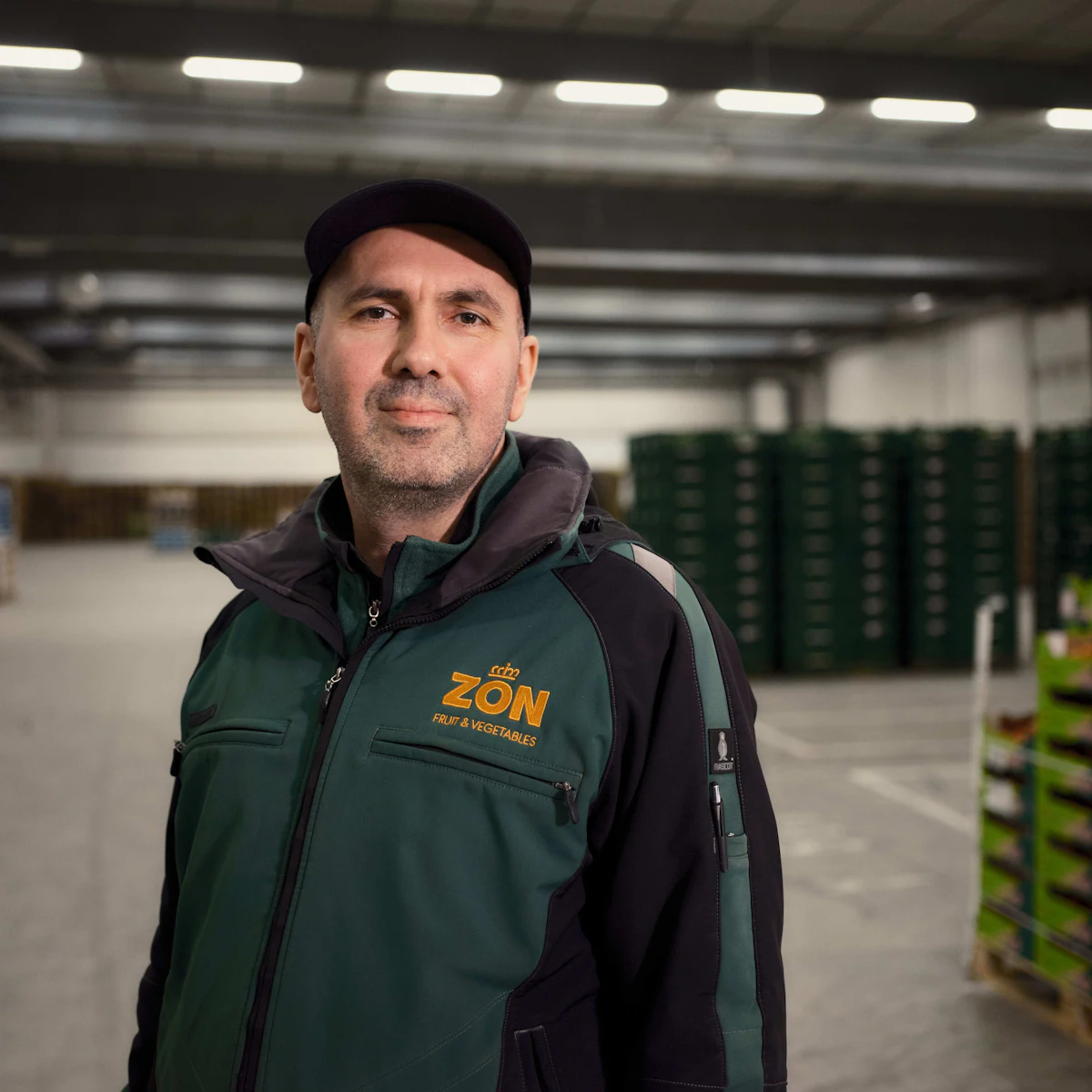
We traveled 2,400 kilometers. It was a long journey, but we knew it would bring us stability.
Home
For both of them, “home” isn’t about a specific place, but about family. “My home isn’t a building or a country,” says Artur. “It’s where my wife and children are.” Nikos nods in agreement. “Home is my family, my mother, my brother. That’s what makes it home, not the walls around it.” Work also plays a role in that. “ZON feels like a second home to me,” says Artur. “I’ve been working here for years and know everyone well. We have a great team, and there’s no stress. That makes it nice to work here.” Nikos agrees: “Work isn’t just about income; it’s also a community. You spend so much time there—it has to feel right.” Will they stay here for good? Artur is still unsure. “Sometimes we think about moving back to the Netherlands, because I feel most at home here. But for now, Germany is more practical.” Nikos now feels firmly rooted in Blerick. “My son is growing up here; we have a stable life here. This is our home now.” Their message to the Dutch? “Don’t look at nationality, but at the person,” says Artur. “Everyone has a story. And everyone deserves a chance.”
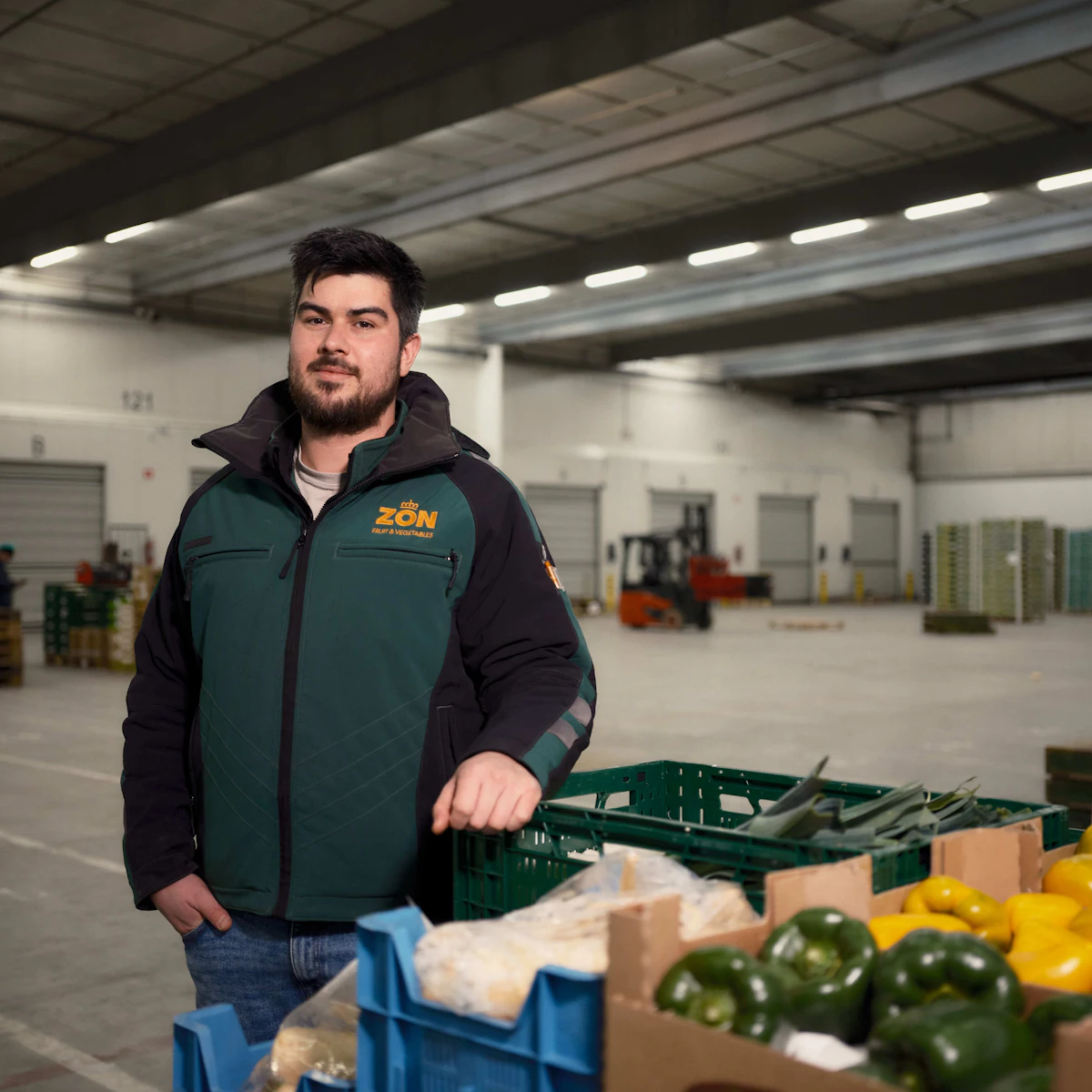
In Poland, I only knew Polish people. Here, you meet people from all cultures—that took some getting used to at first.


