

The vegetable sector is under pressure. Not because of a lack of quality or innovation—quite the opposite. It is social and political developments that threaten our so-called “license to operate”: the social and legal support needed to continue growing crops in the Netherlands. Think of increasingly strict regulations regarding crop protection, water quality, nitrogen, or labor. That is why ZON decided last year: we cannot and will not solve this on our own. Driven by this sense of urgency, we launched a collaboration with the Open-Field Vegetable Organization (VGO) and the Federation of Fruit and Vegetable Organizations (FVO). Both organizations were founded for and by growers. Together, they are committed to influencing decision-makers, driving practical innovation, and securing a strong position for the Dutch vegetable sector. But why is this necessary? How exactly does it work? And what are the benefits?
Why is this necessary right now?
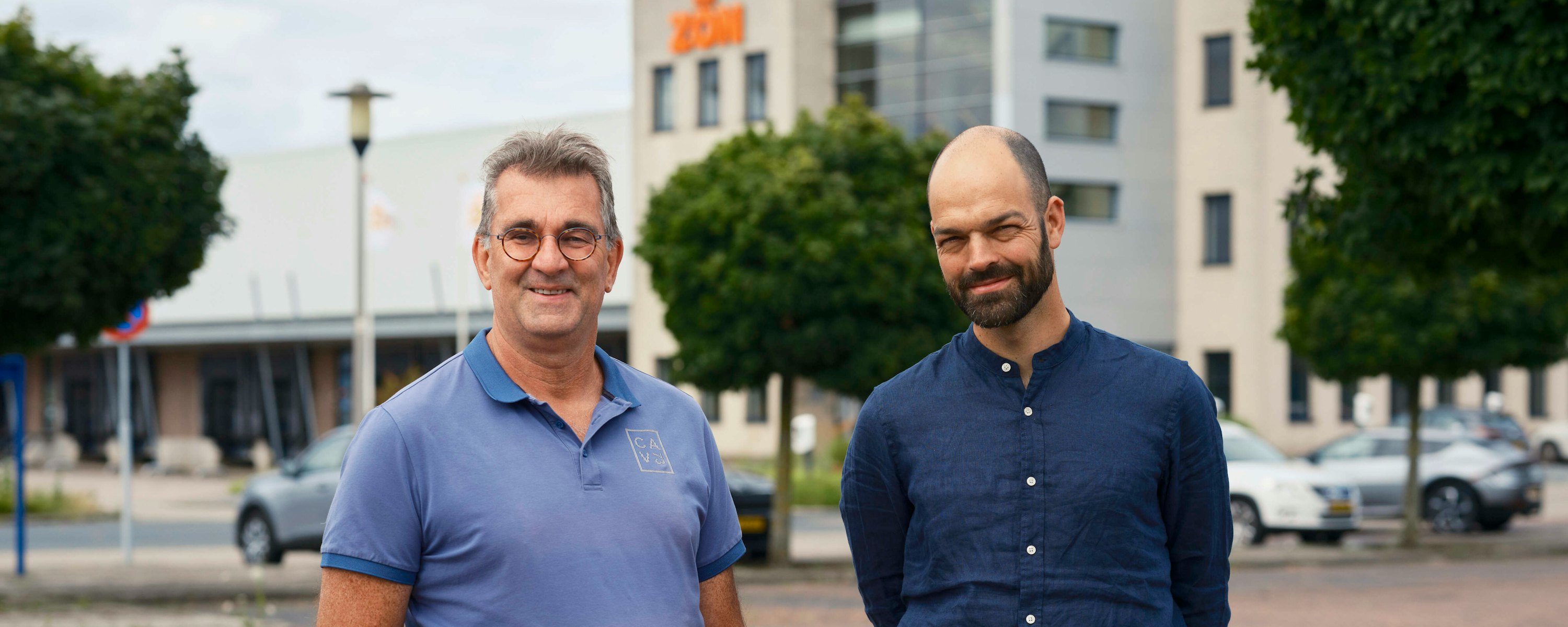
John Willems, director at ZON, was closely involved from the start. “When we drew up our strategic plan, we identified one major threat: the ‘license to operate’—that is, the extent to which we have societal acceptance to carry out our activities. Regulations and public perception threaten to bring our sector to a standstill. Simply calling for change isn’t enough—we need to act together as a sector.” The FVO—an independent collaboration of producer organizations in the greenhouse vegetable sector—had already been in existence within the greenhouse horticulture sector for some time. Over the past ten years, it has demonstrated how collaboration pays off. “The FVO is now a key stakeholder in The Hague, at universities, with water boards, and in Brussels,” says Matthijs Jasperse of Florpartners, who has served as program director at the FVO for years and is closely involved with the VGO. “The open-field vegetable sector didn’t have a collective voice like that yet. That’s exactly what VGO now provides.”
What exactly do VGO and FVO do?
VGO brings together open-field vegetable growers from the Netherlands so they can speak with one voice to set the agenda, accelerate progress, and find solutions. This includes topics such as image & positioning, sustainable crop protection, soil quality, water, fertilizers, the labor market, and Planet Proof. FVO does the same for greenhouse vegetables such as tomatoes, bell peppers, and cucumbers—with key priorities including chemical-free cultivation, image, energy, land-use planning, and technology. Both organizations operate independently and without commercial interests. They bring growers, producer organizations, and partners together to make a real impact. As John puts it: “They are catalysts. They don’t do everything themselves, but they ensure that projects get off the ground, that the right conversations take place, and that the sector exerts influence.”
How does that work in practice?
A good example is the water quality project. In Limburg, growers, water boards, and experts worked together to measure what kinds of residues end up in the ditches. The results led to concrete measures: farms purchased plots of land themselves to serve as natural biofilters. That approach is now being implemented in other parts of the country as well, with help from FVO, the water boards, and Glastuinbouw Nederland. Matthijs: “That’s what it’s all about: not complaining about unreasonable rules, but showing that we take responsibility and propose solutions. That way, you prevent decisions from being made about you without you being at the table yourself.” Another example: the approval of green crop protection products. The FVO has now appointed growers to help expedite the approval process for the right products. “The problem isn’t that they don’t exist, but that it takes years before they can be used. As a sector, we need to work together smartly on this,” says John.
What does this require of growers?
“The time for sitting back and doing nothing is over,” John says firmly. “If we keep waiting to see what happens, we’ll become the new intensive livestock farming industry. Then someone else will decide what you’re still allowed to do. The alternative: take the initiative yourself, develop a vision, and work together.” And that starts with raising awareness. That as an entrepreneur, you’re not only responsible for your business, but also for your industry. That you contribute ideas, get involved, and help shape the future. And Matthijs emphasizes that it can actually be fun. “You don’t have to do it alone. VGO and FVO are actually there to help make it easier and more effective. Investing one percent of your time or costs in the future of your sector really isn’t much—especially when you know that half of your operating profit indirectly depends on the health of that sector.”
What has been achieved so far?
In a short time, VGO has grown into an initiative representing 80% of open-field vegetable production—comparable to FVO, which now accounts for 85% of greenhouse vegetable production. That carries weight. The first results are already in:
- A field vegetable division has been established within LTO Nederland, something that did not exist before.
- When new crop protection products are approved, VGO’s input and priorities are now actively taken into account.
- VGO is conducting research into duplication of effort: how can we prevent ten different groups from doing the same thing, so that we can move forward more efficiently as a sector?
And the future?
The ambition is clear: a future-proof, sustainable, and respected sector that can continue to develop in the Netherlands. Three things are needed to achieve this:
- A shared narrative —one that we as a sector dare to tell ourselves, in a way that resonates with policymakers, society, and the retail sector.
- Concrete projects —that demonstrate that we both want to and are capable of growing sustainably.
- Leadership from within the sector itself —from entrepreneurs who look beyond their own backyards.
Matthijs: “What we’re really asking of growers is: step out of your greenhouse and off your farm. Take the initiative. Have a vision for your own future, and share it with others. That’s leadership.”
Finally: why is ZON involved?
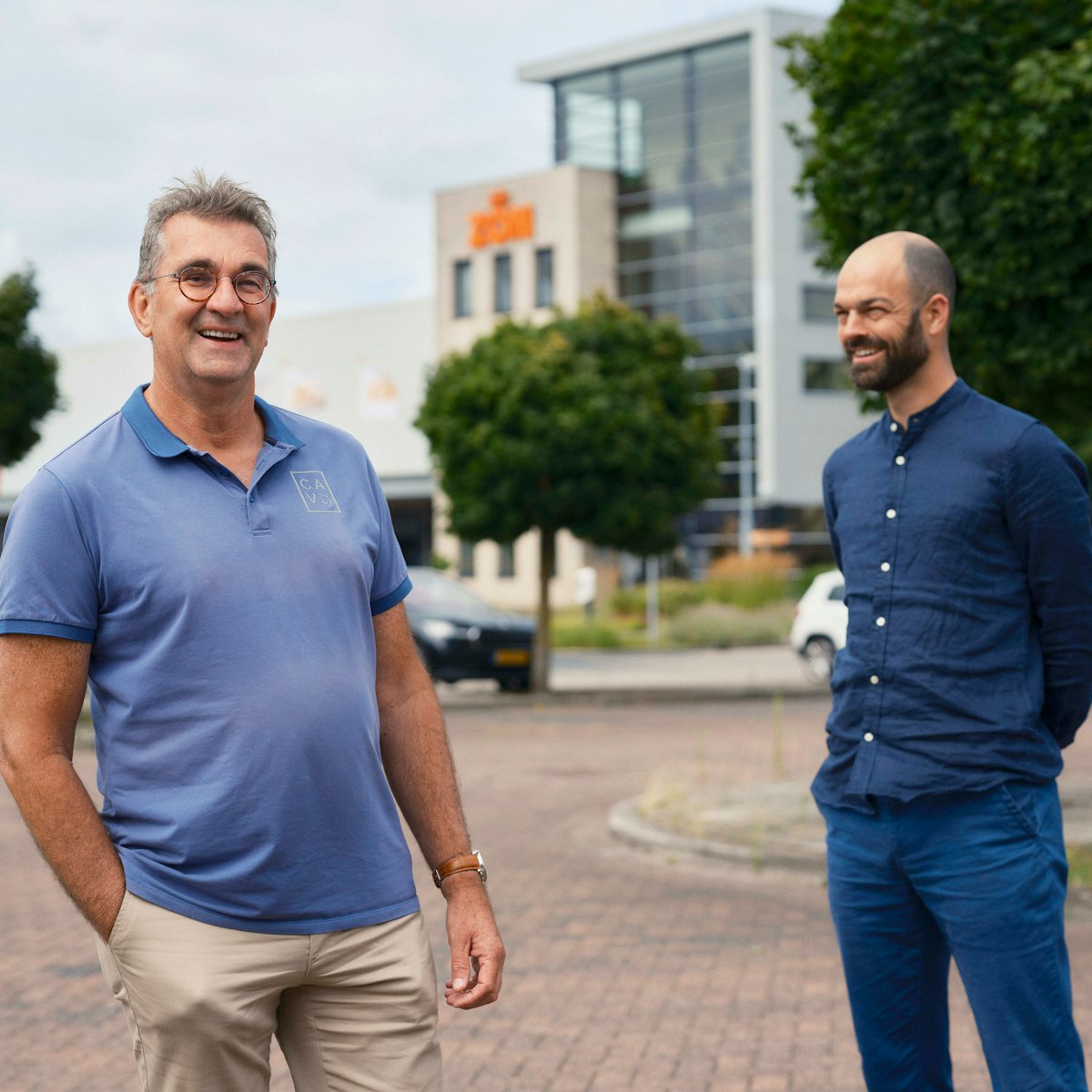
ZON has made a conscious decision to invest time, money, and effort in three pillars: VGO, FVO, and the regional Greenport. John: “As a cooperative, we can do a lot on our own, but not everything. By joining these networks, we increase our impact. That’s in the best interest of all our members.” For ZON’s open-field vegetable growers, now is the perfect time to get involved. There are many ways to participate: from contributing ideas in a project group to helping shape the sector’s narrative. John concludes: “You don’t have to do everything yourself. But don’t just stand on the sidelines. This is your own future—and you, too, are responsible for it.”
Want to learn more about VGO or FVO?
Visit stichtingvgo.nl and vruchtgroente.nl or contact ZON.